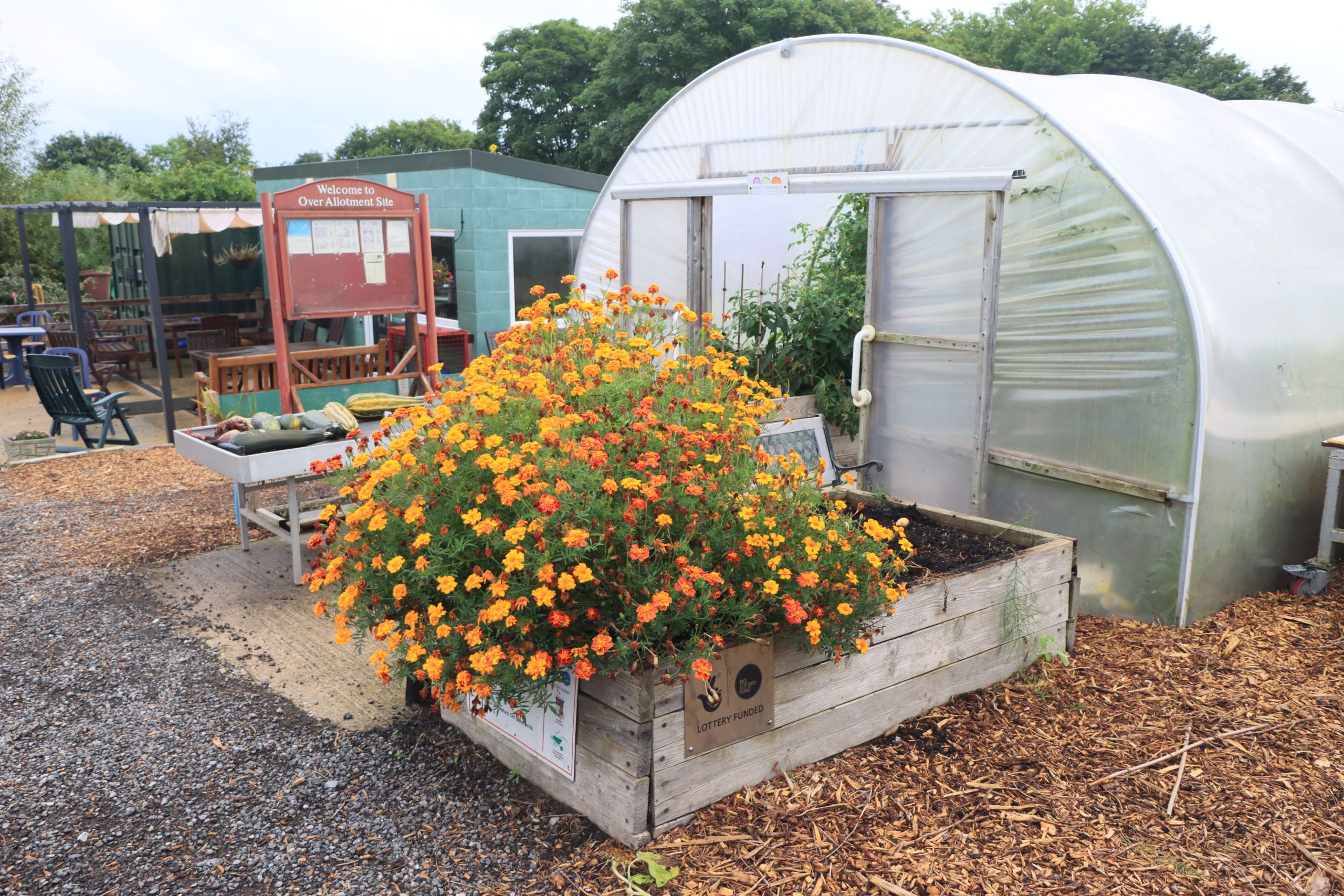
Corten steel has become a popular material in modern landscape design due to its distinctive weathered appearance, exceptional durability, and low maintenance requirements. One of its most common applications is in corten raised garden beds, which provide a practical and attractive solution for growing vegetables, herbs, flowers, and ornamental plants. Raised beds made from corten steel improve drainage, allow better control over soil quality, and create clearly defined planting areas that complement both contemporary and traditional gardens.
Another popular landscaping feature is the corten planter box, which combines functionality with architectural appeal. Available in a range of shapes and sizes, planter boxes can be used to display feature plants, small trees, shrubs, or colourful flowering arrangements. Their durable construction makes them suitable for residential gardens, commercial landscapes, courtyards, and rooftop gardens, while the naturally weathered finish develops a rich, earthy appearance over time.
Creating neat and well-defined garden spaces is also easier with corten garden edging. Steel edging helps separate lawns from garden beds, pathways, and gravel areas while preventing soil and mulch from spilling into surrounding spaces. In addition to improving the overall appearance of a landscape, garden edging simplifies maintenance by providing clean boundaries for mowing, trimming, and planting.
One of the key advantages of corten steel is its natural weathering process. Unlike ordinary steel, corten forms a stable protective layer of rust on its surface when exposed to the elements. This protective patina reduces the need for painting or additional coatings while helping resist further corrosion under normal outdoor conditions.
Durability is another reason corten has become widely used in landscaping. It is designed to withstand changing weather conditions, making it suitable for Australia’s varied climate. Once the protective surface develops, corten products generally require minimal ongoing maintenance compared with many other outdoor materials.
Raised garden beds made from corten steel also offer practical gardening benefits. The elevated growing area improves accessibility by reducing the need to bend while gardening and allows gardeners to fill beds with high-quality soil suited to specific plants. Better drainage can also contribute to healthier root development and improved plant growth.
Corten steel pairs well with a wide range of landscaping materials. Timber decking, natural stone, gravel, concrete, and native planting schemes all complement the warm tones of weathered steel. This versatility allows designers to incorporate corten into gardens with different architectural styles and planting themes.
In addition to raised beds and edging, corten steel is commonly used for retaining walls, screens, water features, fire pits, sculptures, and outdoor furniture. These elements help create visual interest while maintaining a consistent design throughout the landscape.
Although corten develops a protective rust layer, it is important to consider placement during the initial weathering stage, as rainwater may temporarily stain nearby concrete or paving. Proper installation and drainage planning can minimise this effect and ensure the finished landscape remains attractive.
Overall, corten steel offers an attractive combination of durability, functionality, and modern design. Whether used for raised garden beds, planter boxes, edging, or decorative landscape features, it provides long-lasting performance while creating a distinctive natural appearance. As the material continues to weather gracefully over time, it adds character and structure to gardens that can be enjoyed for many years.